




Introduction
Businesses are increasingly moving from traditional software to flexible cloud-based platforms that can scale with changing customer and operational needs. A SaaS development company helps businesses design and build software that customers can access through the internet without installing and maintaining the entire system locally.
For companies looking for a SaaS application development company in Saudi Arabia, the right development partner should understand more than coding. SaaS products require secure architecture, intuitive UX, scalable infrastructure, integrations, subscription management, analytics, and continuous improvement.
Safha Technologies provides custom digital solutions for businesses across Saudi Arabia, including Riyadh, Jeddah, Dammam, Al Khobar, and the Eastern Province.
Key Takeaways
- SaaS applications are cloud-based software products delivered through the internet.
- Custom SaaS development allows businesses to build solutions around their specific processes.
- A scalable architecture is essential when the number of users and customers grows.
- Security, user experience, integrations, analytics, and ongoing maintenance are important parts of SaaS development.
- Saudi businesses can use SaaS platforms for CRM, ERP, POS, education, healthcare, logistics, automation, and many other applications.
- Choosing the right SaaS development company requires evaluating technical expertise, scalability, communication, security, and long-term support.
What Is SaaS Application Development?
SaaS stands for Software as a Service. Instead of purchasing software and installing it on individual computers, users access a SaaS application through the internet.
A SaaS platform may include:
- User accounts and authentication
- Subscription plans
- Online payments
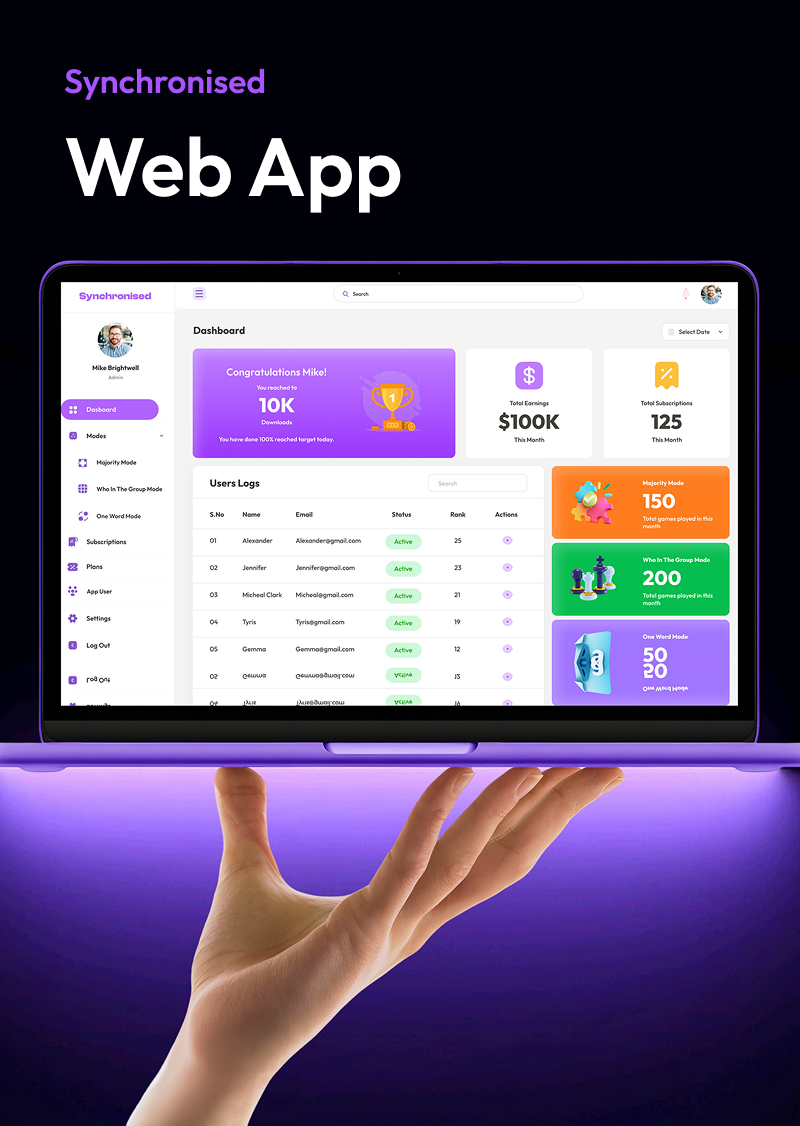
- Admin dashboards
- Customer dashboards
- Cloud data storage
- Notifications
- Reporting and analytics
- Third-party integrations
- Automated workflows
A SaaS product can serve a single business internally or become a commercial platform used by multiple customers.
SaaS Development Company: What Services Should You Expect?
A professional SaaS development company should be able to support the complete product lifecycle, from initial planning to deployment and ongoing improvements.
SaaS Product Strategy
The process starts by understanding the business model, target users, operational requirements, and product goals.
UI/UX Design
A SaaS application needs an interface that makes complex functionality easy to understand. User journeys, dashboards, navigation, forms, and workflows should be designed around the actual needs of users.
Custom SaaS Development
Custom SaaS development creates a platform specifically around your business requirements rather than forcing your processes into an existing product.
Cloud & Scalable Architecture
The application should be designed to accommodate increasing users, data, transactions, and integrations without requiring a complete rebuild.
API & System Integration
SaaS platforms may need to connect with CRM, ERP, accounting, payment, communication, e-commerce, or other business systems.
Testing & Quality Assurance
Testing should cover functionality, performance, security, compatibility, usability, and different user roles before launch.
Maintenance & Continuous Development
A SaaS product is not finished after launch. Regular updates, monitoring, bug fixes, security improvements, and new features are part of long-term SaaS management.
Custom SaaS Development vs. Ready-Made Software
Businesses often have to decide whether to purchase an existing platform or build a custom SaaS solution.
Ready-made software can be useful when standard features match the company’s requirements. However, businesses with specialized workflows may need greater flexibility.
Custom SaaS development can provide:
- Business-specific workflows
- Custom user roles
- Tailored dashboards
- Specialized reporting
- Custom integrations
- Flexible subscription models
- Scalable architecture
- Greater control over product development
The right approach depends on the company’s objectives, budget, timeline, technical requirements, and expected growth.
SaaS Application Development Solutions for Different Industries
SaaS applications can be designed for many business models and industries.
Retail & E-commerce
Platforms can manage products, customers, orders, inventory, payments, and reporting.
Restaurants & Hospitality
SaaS solutions can support POS, reservations, inventory, staff operations, branches, and customer management.
Education
Schools and training organizations can use SaaS platforms for LMS functionality, student management, attendance, courses, assessments, and communication.
Healthcare
Custom platforms can support appointments, patient information, staff workflows, reporting, and administrative operations.
Logistics
SaaS applications can help manage orders, fleets, deliveries, customers, drivers, and operational reporting.
Professional Services
Companies can build platforms for CRM, project management, scheduling, billing, document management, and customer portals.
How Does SaaS Application Development Work?
A structured development process helps reduce unnecessary development and ensures that the final product matches business requirements.
1. Discovery & Requirements
The development team identifies users, workflows, business objectives, features, integrations, and technical requirements.
2. Product Planning
Features are prioritized and organized into a product roadmap. An MVP can be defined when the business wants to launch an initial version before expanding.
3. UI/UX Design
The application structure, user journeys, wireframes, and interface are designed before development.
4. Development
Frontend, backend, database, APIs, authentication, dashboards, and other required functionality are developed.
5. Testing
The platform is tested for functionality, performance, usability, security, and compatibility.
6. Deployment
The SaaS application is deployed to the required cloud environment and configured for production.
7. Monitoring & Improvement
After launch, usage data, customer feedback, technical performance, and business requirements can guide future improvements.
Benefits of SaaS Application Development
A properly designed SaaS platform can provide several operational and commercial advantages.
Accessibility
Users can access the application through supported devices and internet connections.
Scalability
The infrastructure and application architecture can be designed to support business growth.
Centralized Management
Businesses can manage users, data, permissions, and operations through a centralized platform.
Automation
Repeated processes can be automated to reduce manual work.
Integrations
APIs allow SaaS products to communicate with other business systems.
Continuous Updates
New features and improvements can be delivered without requiring every customer to manually install a new version.
SaaS Solutions Services for Saudi Businesses
Saudi businesses are operating in an increasingly digital environment, creating demand for software that supports modern operations.
A SaaS platform can help organizations in Riyadh, Jeddah, Dammam, Al Khobar, and the Eastern Province manage customers, employees, sales, inventory, documents, operations, and digital services.
For Saudi companies, SaaS solutions may also need to consider:
- Arabic and English interfaces
- Local business workflows
- Regional customer expectations
- Payment integrations
- Business system integrations
- Data and access controls
- Industry-specific requirements
- Scalability for expanding operations
The exact technical and regulatory requirements should be evaluated according to the application, industry, users, and data being handled.
How to Choose a SaaS Application Development Company?
Selecting a development partner is an important part of building a successful SaaS product.
Consider the following:
Technical Experience
Review experience with cloud applications, APIs, databases, frontend and backend development, authentication, integrations, and scalable architectures.
Product Understanding
The development company should understand the business problem instead of simply implementing a list of features.
UI/UX Capability
A technically strong platform can still struggle if users find it difficult to navigate. Ask about the provider’s approach to UX research and interface design.
Security
Discuss authentication, authorization, data protection, secure development practices, backups, monitoring, and access management.
Scalability
Ask how the architecture will support additional users, customers, data, and functionality.
Post-Launch Support
Clarify how maintenance, monitoring, bug fixing, updates, and future development will be handled.
Safha Technologies’ Approach to SaaS Development
Safha Technologies approaches SaaS development by combining business requirements with technology, user experience, and long-term scalability.
Depending on the project, the solution can include:
- Custom SaaS application development
- UI/UX design
- Web application development
- Mobile application development
- CRM solutions
- Odoo ERP integration
- POS solutions
- AI solutions
- Business automation
- Custom software
- API integrations
- Dashboards and reporting
The objective is to create software that supports real business processes rather than adding unnecessary complexity.
Conclusion
A SaaS platform can provide businesses with a flexible way to deliver software, automate processes, manage customers, and scale digital services.
Choosing the right SaaS development company or SaaS application development company requires looking beyond development cost. Architecture, UX, security, integrations, scalability, support, and product strategy all contribute to the long-term value of a SaaS platform.
For businesses in Saudi Arabia, Safha Technologies can help transform a business requirement or product idea into a structured SaaS application development project.
Build Your SaaS Product With Safha Technologies
Have an idea for a SaaS platform or need to digitize an existing business process?
Safha Technologies can help you discuss your requirements, define the right technical approach, and plan your SaaS application.