



Saudi businesses increasingly depend on technology to manage operations, communicate with customers, automate workflows and scale efficiently. Professional software development services help organizations turn specific business requirements into secure, practical and scalable digital solutions.
These solutions may include a customer-facing application, internal business software, mobile apps, web platforms, dashboards, APIs or integrations with ERP, CRM, and other systems.
Saudi Arabia continues to strengthen its digital economy as part of Vision 2030. The Kingdom’s 2025 National Transformation Program report describes the digital economy as a foundation for the future economy and highlights digital applications, e-commerce, and technology-enabled services as key areas for development.
Safha Technologies provides app development, web development, UI/UX, AI solutions, and connected business systems for organizations operating in Saudi Arabia.
Key Takeaways
- Custom software solves business requirements that generic tools may not handle effectively.
- Mobile app development can support customers, employees, and field operations.
- Modern software should be secure, scalable, and integration-ready.
- Arabic and English interfaces are especially valuable for Saudi organizations serving diverse users.
- APIs allow applications to connect with ERP, CRM, payments, maps, and other platforms.
- Successful development begins with understanding the business problem, not immediately writing code.
What Are Software Development Services?
Software development services cover the planning, design, engineering, testing, deployment and ongoing improvement of digital systems.
A software project may involve:
- Custom business applications
- Mobile applications
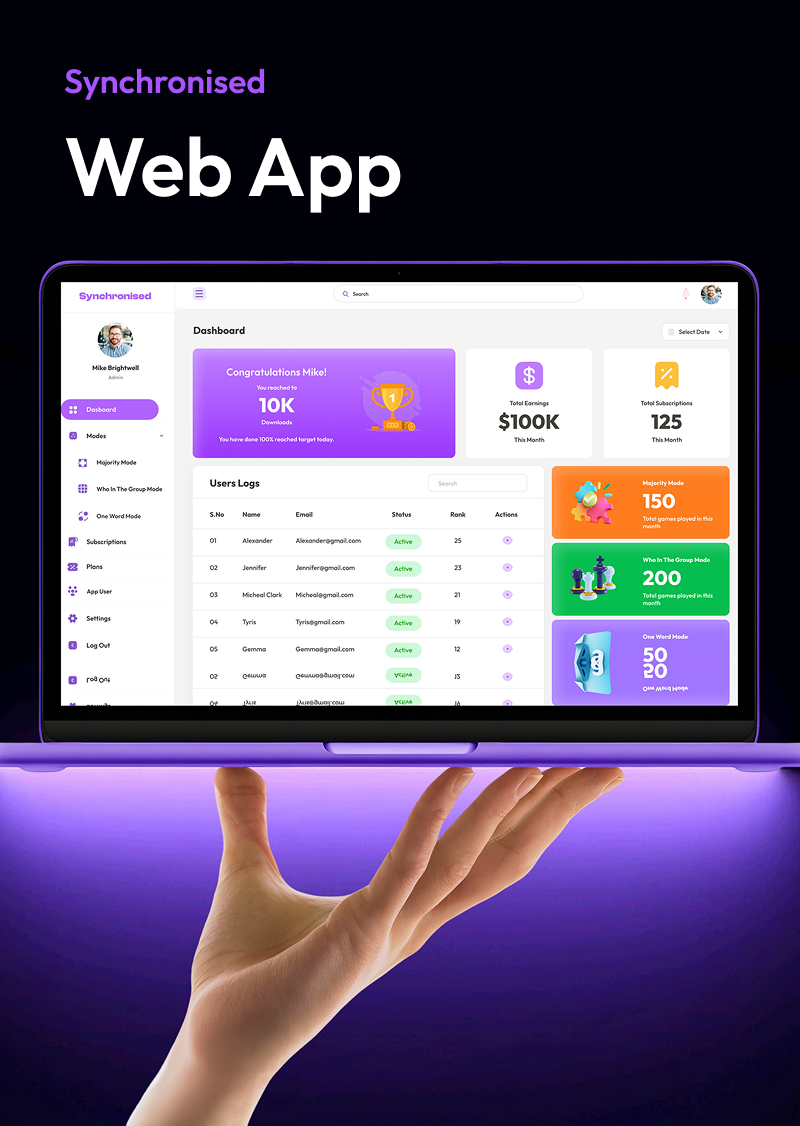
- Web applications
- Customer portals
- Employee portals
- SaaS platforms
- Management dashboards
- Workflow automation
- Database systems
- API development
- ERP and CRM integrations
- AI-powered applications
The goal is not simply to create software. The solution should solve a defined business problem and remain manageable as the organization grows.
Why Saudi Businesses Need Custom Software Development
Off-the-shelf applications work well when business requirements are standard.
However, Saudi companies often operate with specific approval processes, branch structures, customer journeys, reporting requirements or integrations.
Custom development becomes useful when a company needs to:
- Automate manual processes
- Connect multiple systems
- Manage multiple branches
- Build customer-facing digital services
- Create internal workforce tools
- Improve reporting
- Reduce duplicate data entry
- Integrate ERP or CRM systems
- Provide Arabic and English experiences
- Build software around unique workflows
Businesses in Riyadh, Jeddah, Dammam, Al Khobar, and the Eastern Province may have different operational requirements, but the development principle remains the same: software should adapt to the business rather than forcing the business into an unsuitable workflow.
Mobile App Development for Saudi Businesses
Mobile app development allows businesses to provide services directly through smartphones and tablets.
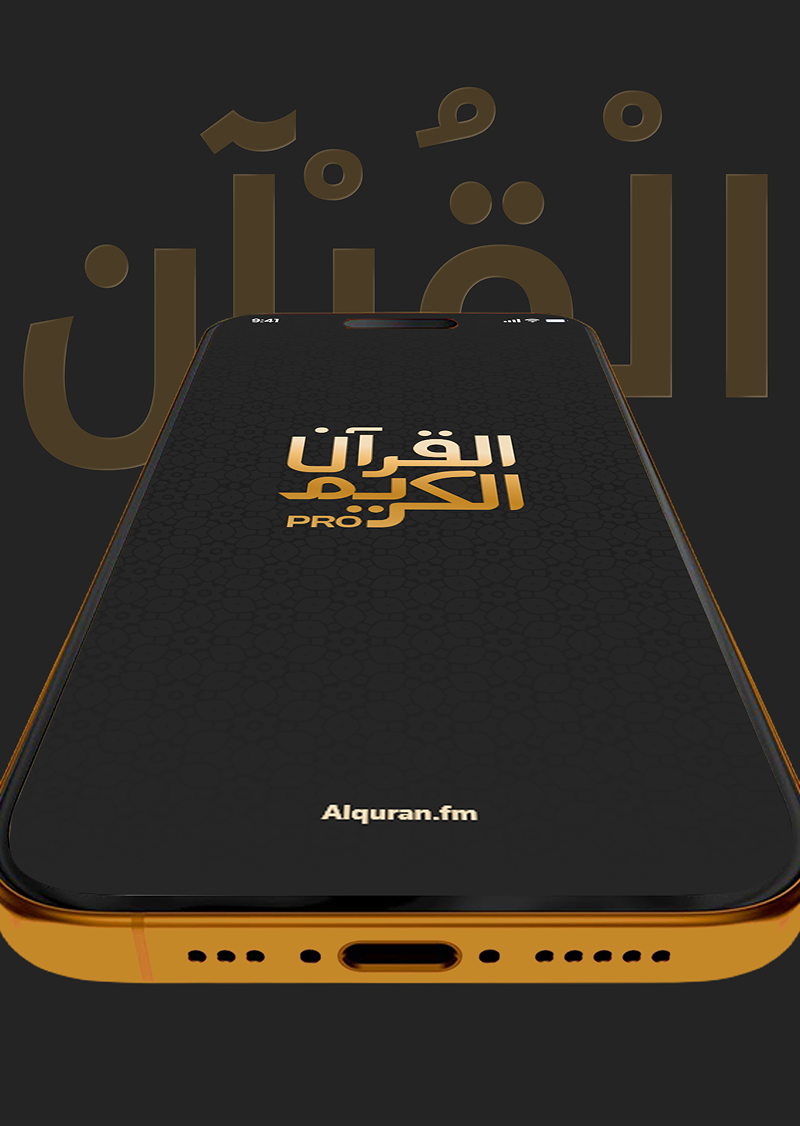
Safha’s current app-development offering covers iOS and Android applications and can include UI/UX, backend APIs, databases, admin dashboards, notifications, payment integrations, maps, and analytics. The company also states that apps can support Arabic, English and RTL interfaces.
Common application types include:
Customer Applications
Useful for:
- E-commerce
- Booking
- Delivery
- Loyalty programs
- Customer accounts
- Service requests
- Order tracking
Internal Business Applications
Useful for:
- Employee workflows
- Attendance
- Approvals
- Field operations
- Inventory
- Sales teams
- Reporting
Marketplace Applications
These platforms can connect customers with different vendors, providers or service categories through one digital application.
Mobile Extensions of Existing Systems
A business may already use ERP, CRM, POS or another platform but need mobile access for employees or customers.
Safha states that its applications can integrate with ERP, CRM, maps, payment services, websites and other APIs where provider requirements are met.
Web Application Development
A web application is more interactive than a standard informational website.
Examples include:
- Customer portals
- CRM platforms
- Booking systems
- Inventory platforms
- Dashboards
- SaaS software
- HR systems
- Learning platforms
- Document management systems
Users access the application through a browser without necessarily installing software on their device.
Good web development best practices include:
- Clean architecture
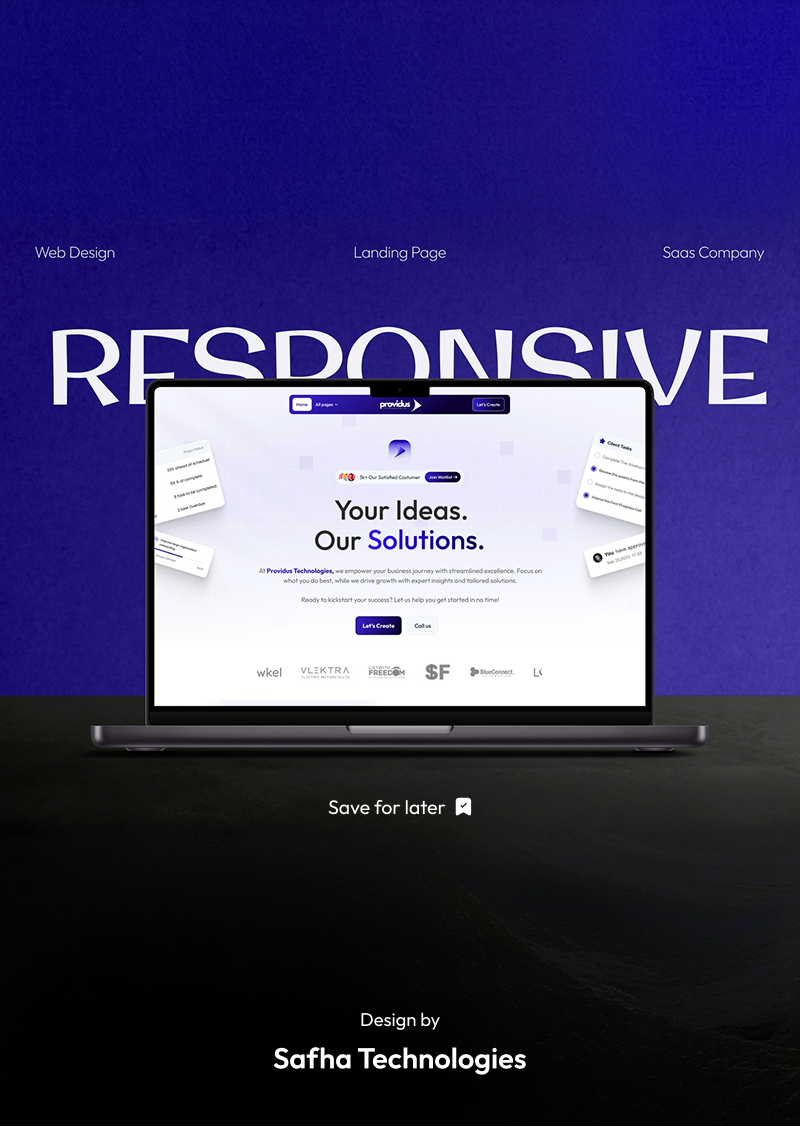
- Responsive interfaces
- Secure authentication
- Role-based permissions
- Optimized database queries
- API-first integrations where appropriate
- Mobile responsiveness
- Testing
- Performance monitoring
- Scalable infrastructure
Businesses should define these requirements during planning instead of adding them after the platform becomes difficult to maintain.
Custom Software vs Ready-Made Applications
There is no universal answer.
Ready-Made Software
Best when:
- Requirements are common
- Fast implementation is important
- The workflow can adapt to an existing system
- Budget is limited
Custom Software
Best when:
- The workflow is unique
- Several systems need integration
- The company requires specialized reporting
- Customer experience is a competitive advantage
- Future scalability is important
- Existing tools require too many manual workarounds
An experienced software development company should recommend custom development only when it creates meaningful business value.
Important Features of Modern Business Software
Scalability
A system that works for 20 users may eventually need to support hundreds or thousands.
Architecture should therefore consider future users, transactions, locations and integrations.
Security
Applications may contain customer, employee or business information.
Security should be considered across:
- Authentication
- User permissions
- APIs
- Databases
- Data transmission
- Hosting
- Backups
- Logging
Integration
Modern applications rarely work alone.
They may need to communicate with:
- Odoo ERP
- CRM
- POS
- Payment gateways
- Maps
- Accounting systems
- SMS platforms
- Email systems
- AI services
- Analytics tools
Safha’s current portfolio includes ERP, CRM, POS, LMS, attendance solutions and AI tools alongside web and app development.
Bilingual UI/UX
For many Saudi organizations, Arabic and English should be considered during product design rather than after development.
Proper Arabic support includes:
- RTL layouts
- Arabic typography
- Navigation direction
- Form alignment
- Notifications
- Localized content
What About AI and Web3 Development?
Modern software projects increasingly involve technologies beyond traditional web and mobile development.
AI Integration
AI can potentially support:
- Document processing
- Internal assistants
- Search
- Content workflows
- Classification
- Analytics
- Automated support
Safha currently lists AI chatbot, document management, attendance management, medical consultation and AI-on-demand solutions as part of its service portfolio.
Web3 Development
Web3 development may be relevant for projects requiring blockchain-based functionality, decentralized applications or digital asset infrastructure.
However, businesses should not adopt Web3 simply because it is a technology trend. It should only be considered when decentralization or blockchain provides a clear business benefit.
Safha’s current public website does not list Web3 as a core service, so it should not be marketed as an existing Safha capability without confirmation.
How Does the Software Development Process Work?
A professional development process usually follows several stages.
1. Discovery
Understand:
- Business problem
- Users
- Existing systems
- Required integrations
- Objectives
2. Requirements
Define:
- Features
- User roles
- Workflows
- Technical requirements
- Security needs
- Integrations
3. UI/UX Design
Create:
- User journeys
- Wireframes
- Interface designs
- Mobile layouts
- Arabic and English experiences
4. Development
Build:
- Frontend
- Backend
- APIs
- Database
- Integrations
- Admin dashboard
5. Testing
Test:
- Functionality
- Devices
- User roles
- Performance
- Integrations
- Error handling
6. Deployment
Launch the application into the selected production environment.
7. Improvement
Real software evolves.
Businesses may later add:
- New features
- Integrations
- Automation
- Reports
- AI capabilities
- Additional user roles
How to Choose a Software Development Company in Saudi Arabia?
Do not evaluate a development company only by price.
Consider whether the team understands:
Business Requirements
A good provider should first understand why the software is needed.
UI/UX
Users should be able to complete tasks without unnecessary complexity.
Technical Architecture
Ask how the application will support future growth.
Arabic and English
Saudi applications often need proper bilingual support.
Integrations
Ensure the provider can connect the application with your existing systems.
Testing
Development without structured QA increases future risks and maintenance costs.
Communication
Your development partner should clearly explain scope, milestones and technical decisions.
Safha Technologies’ Approach
Safha Technologies positions itself as a Saudi-focused digital transformation provider with services spanning mobile applications, web development, UI/UX, AI and connected business platforms. Its current app-development service specifically targets Saudi businesses and supports cross-platform development and integrations.
Depending on project requirements, a software project can combine:
- Business analysis
- UI/UX
- Mobile app development
- Web application development
- API development
- Backend systems
- ERP or CRM integration
- AI automation
- Testing
- Deployment
This approach helps treat software as part of a larger business system instead of an isolated application.
Conclusion
Professional software development services help Saudi organizations transform business requirements into reliable digital systems.
Whether you need a mobile application, web platform, internal business tool, customer portal or integrated software solution, the project should begin with business requirements and end with a system that is secure, usable and capable of growing with the organization.
For businesses across Riyadh, Jeddah, Dammam, Al Khobar and the rest of Saudi Arabia, custom software can provide a stronger foundation for digital operations when standard applications no longer meet business requirements.
Build Software Around Your Business
Have an application idea or a business process that needs digital transformation?
Safha Technologies can help you plan and develop mobile applications, web platforms and custom digital solutions aligned with your operational requirements.
Discuss your requirements:
https://safha.sa/